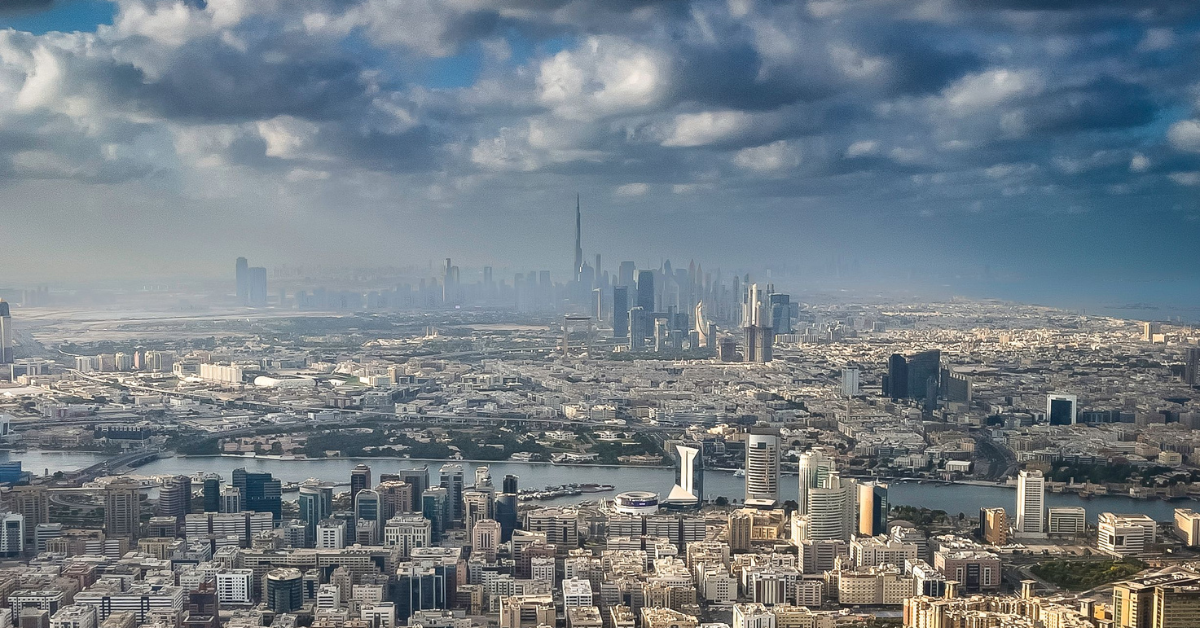

Dubai’s population has added more than 157,000 residents since the start of 2026, reaching approximately 4.74 million by the end of June, according to recent population data reported by The National. This makes population growth an important factor to watch when assessing Dubai’s property market.
But population growth alone does not tell investors what to buy. The more useful question is: where will these additional residents live, and what type of property will they need?
More Residents, More Housing Decisions
The impact can already be considered alongside Dubai Land Department rental data. In Q1 2026, Dubai recorded 118,385 new rental contracts and 135,607 renewals, with the total value of registered rental contracts reaching AED 32.2 billion. Cancelled contracts also fell by 25% during the quarter.
These figures show that Dubai’s housing market is not driven only by people buying property. Tenants remain a major part of the market, creating opportunities across different rental communities and property types.
Where Does The Demand Go?
Population growth does not mean every community will experience the same level of demand.
For a tenant. Factors such as commute time, schools, public transport, amenities and rental costs can determine where they choose to live. For an investor, the same factors can influence the potential tenant pool for a property.
This makes community-level research important. Investors should look beyond Dubai-wide figures and examine transaction and rental activity in the specific area they are considering.
What Does This Mean For Buyers?
The population increase also adds another factor for people considering buying property in Dubai.
DLD recorded 60,303 real estate transactions worth AED 252 billion in Q1 2026, with transaction value up 31% year-on-year. The number of investors reached 48,448, including 29,312 new investors.
These figures do not prove that population growth alone caused property transactions to rise. However, together they show why population, rental activity and transaction data should be assessed together.
The practical Takeaway
For investors, the question is not simply whether Dubai’s population is growing. The better question is which locations and property types can respond to the needs of these residents.
Before buying, assess rental demand, supply, community infrastructure, transaction activity and entry price. DLD’s real estate data platform allows users to examine transactions, rents, projects, land, buildings, units, brokers and developers.
For a market as diverse as Dubai, specific data is more useful than broad market headlines.